
Koh Lanta Rainy Season: What to Expect
Koh Lanta empties out for about half the year, and almost nothing written about the island says so plainly. Most of what ranks for "is Koh Lanta open in the rainy season" is a blog post from someone who visited once, or a forum thread arguing about it.
Here is the honest version: what closes, what doesn't, and whether the lower price is worth the risk.
When is it
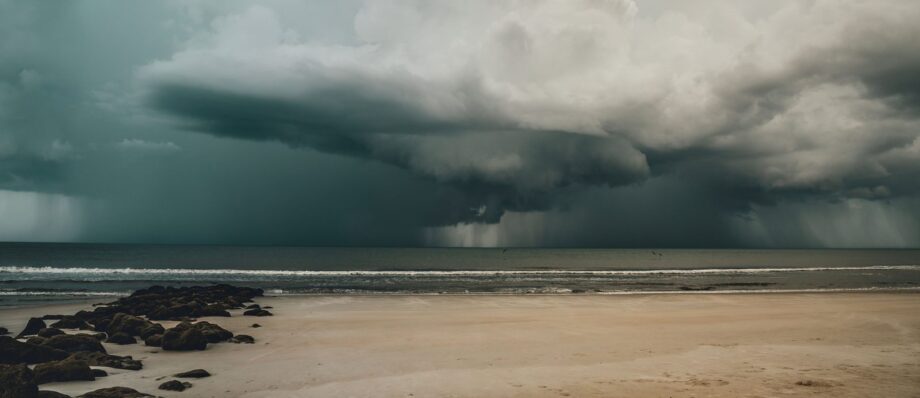
The rainy season on Koh Lanta runs roughly May through October, following the same southwest monsoon that soaks the whole Andaman coast. It is not one long downpour. February is the driest month, with average rainfall in the 30-60mm range. September and October are the wettest, each averaging somewhere between 330 and 380mm - more than ten times February's total.
That makes September and October the real low point of the year, not the shoulder months on either side. Late May and early November tend to be gentler than the name "rainy season" suggests, with more sun between showers. Locals and long-term residents on the island tend to describe it less as one wet season and more as a dry stretch from December to April, bracketed by a build-up in May and a wind-down in November, with the two wettest months sitting in the middle.
What the rain is like
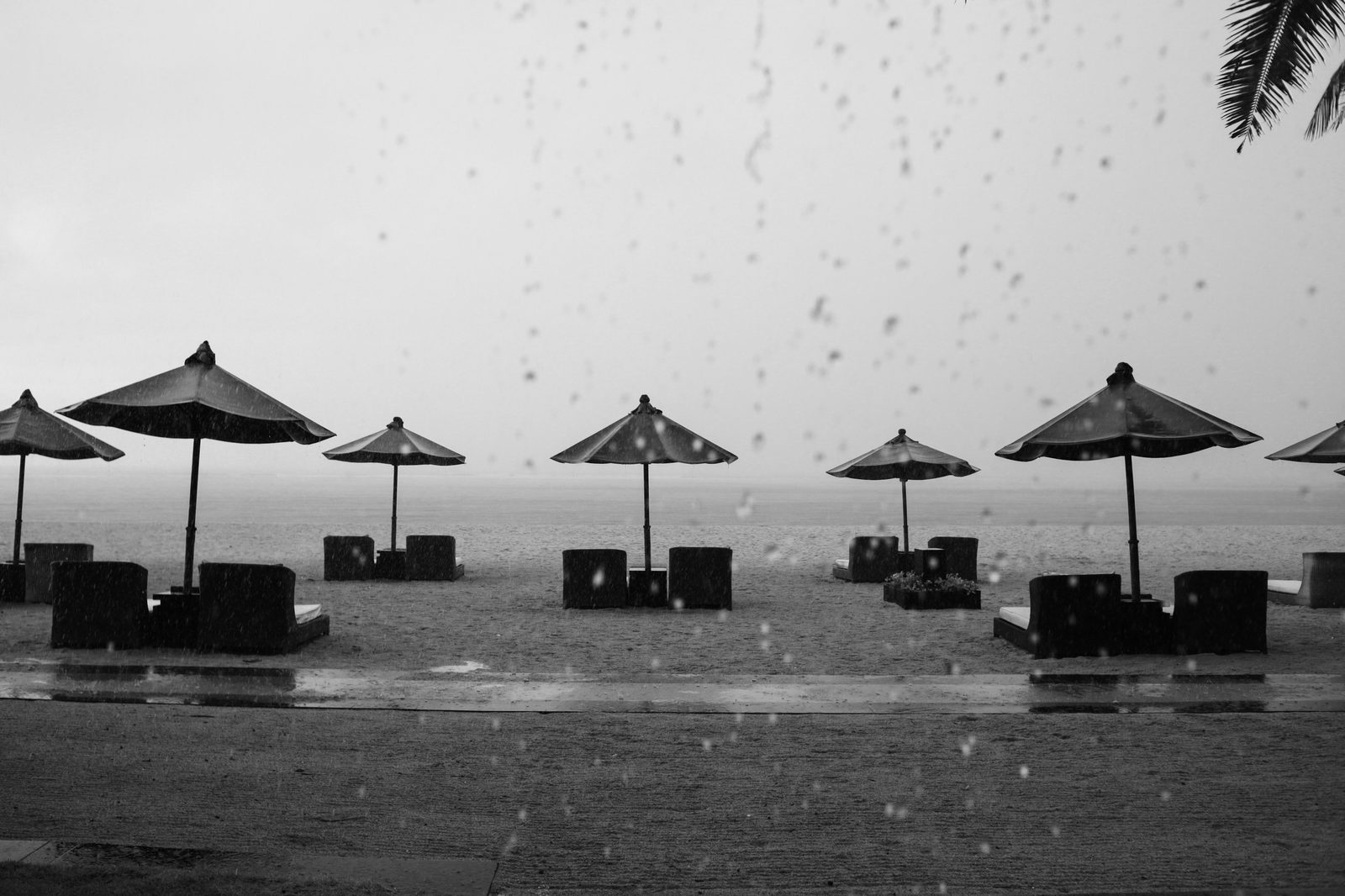
Most days in the wet season are not written off. The typical pattern is a sunny or overcast morning, a heavy afternoon downpour that can last anywhere from twenty minutes to a couple of hours, and clearing skies by evening. Beach time in the morning, indoor time or a nap during the afternoon squall, dinner outside again at night - that's a realistic day, not a ruined one.
September and October are the exception worth planning around. That's when the short-downpour pattern gives way to longer stretches of grey, rougher seas, and days where the rain doesn't fully clear. Outside those two months, plenty of visitors get through a week with nothing worse than a scooter ride cut short.
What's open and what isn't
Cross-referencing the enriched listing database against what businesses say about themselves turns up 18 listings across 8 different areas of the island that flag some kind of low-season effect in their own descriptions or tips - closed for part of the season, running reduced hours, or just quieter than the high-season version of the same place. Long Beach (Phra Ae) has the most, with five. Klong Khong Beach and Klong Dao Beach each have three.
That is a real number pulled from the directory, not a guess, but it is also a partial one - not every business reports its own seasonal hours, and conditions change year to year. The honest approach is to check the current accommodation, restaurants and cafes and diving and snorkelling listings for what's open now. A static list here goes stale within a season.
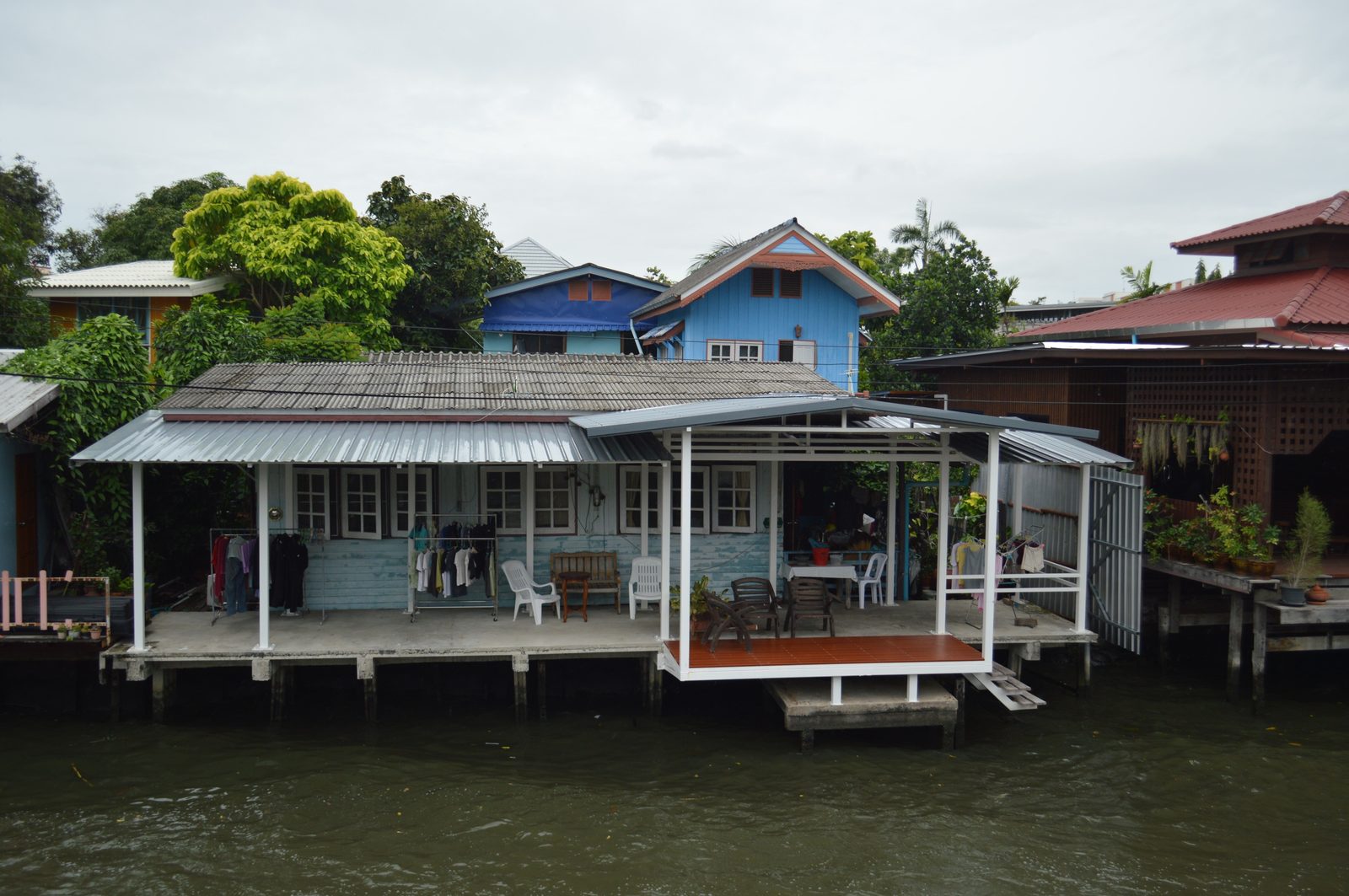
What the data does support: Lanta Old Town holds up better than the beach strips. Its enrichment notes describe it as a good wet-weather base - the massage shops, cafes and covered market stalls there keep running through a rainy afternoon in a way beach bars and open-air restaurants don't. Home Massage, tucked into the Old Town, even builds the season into its own pitch: park the scooter nearby, let a shower pass, and leave once it clears. That's a small, specific example of a business treating the rain as routine, not a threat to trade - a more common attitude in town than the beach-strip closures might suggest.
Further out, the pattern runs the other way. Businesses tied to a single beach - a resort's on-site restaurant, a beachfront bar, a market stall selling to passing tourist foot traffic - are the ones most likely to scale back or shut for stretches of the low season, because there's nobody walking past to sell to.
Mu Ko Lanta National Park closes its outer islands - Koh Rok, Koh Haa and the smaller reef sites - for roughly this same window, mid-May to mid-October, sometimes running later depending on the year and the source. Boat tour operators built around those islands, including day-trip outfits like Opal Travel, adjust or pause those specific routes while the closure is in effect. If a snorkelling or island-hopping trip is the reason for the visit, confirm the operator's current route before booking.
Can you still get there?
Yes, but with fewer options. The open-sea speedboat and ferry links to Koh Phi Phi and beyond run on a reduced schedule through the wet season, roughly May through October, and some routes stop entirely when the sea gets too rough to justify the crossing. That affects day-trippers and island-hoppers heading onward far more than it affects anyone arriving by land.
Getting onto Koh Lanta itself from the Krabi mainland is a shorter, sheltered crossing - a car ferry across the narrow strait to Koh Lanta Noi, then the Siri Lanta Bridge over to the main island - and that keeps running on its normal daytime schedule regardless of season, since it isn't exposed to the same open water as the routes further out. Arriving is rarely the problem. What you can reach once you're here is what changes. For the full breakdown of how to get to Koh Lanta and which routes hold up in the rain, see the getting to Koh Lanta guide.
Should you still book it?
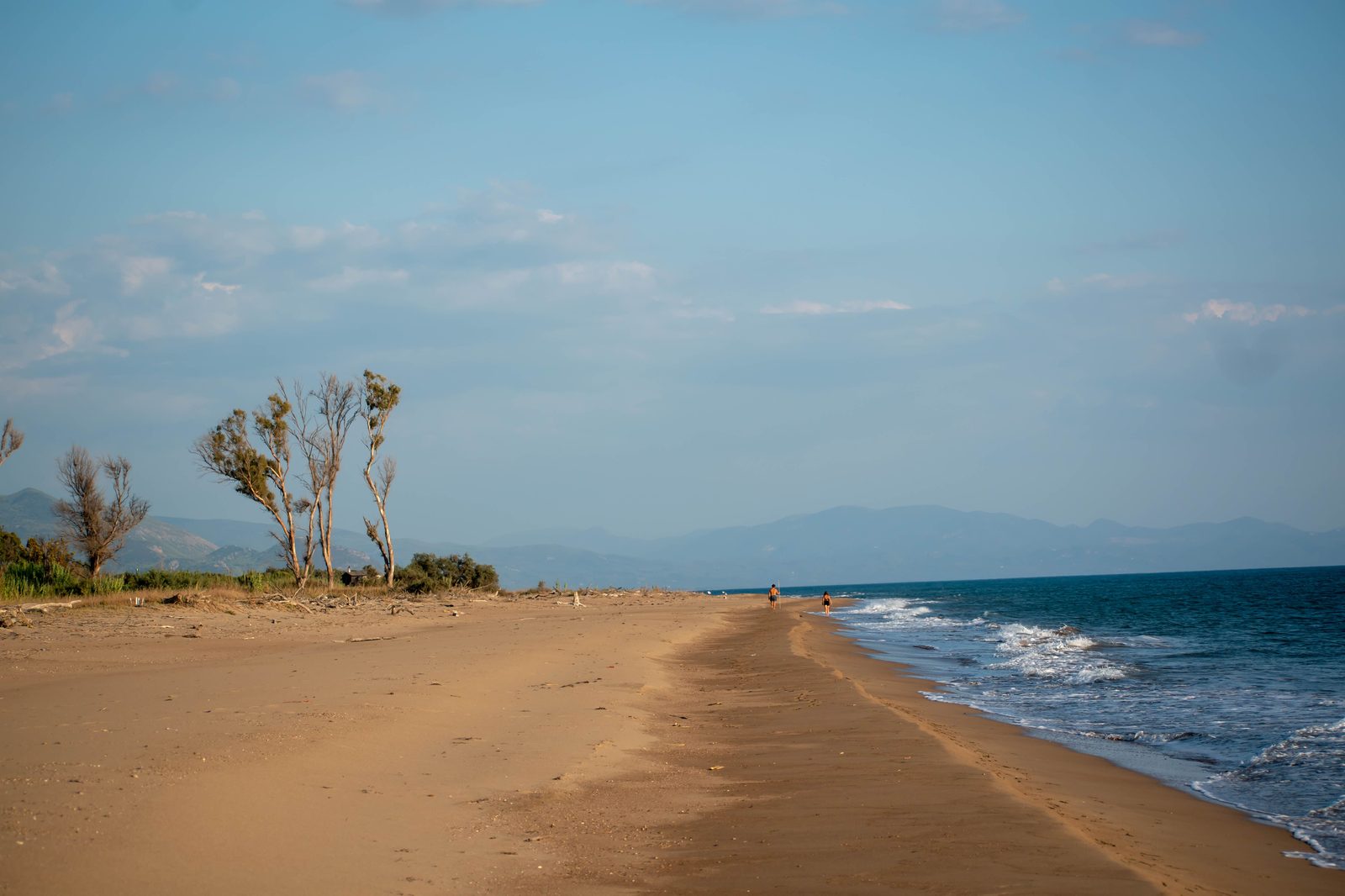
There's a trade-off on both sides. Accommodation prices drop, sometimes sharply, and the beaches that are packed with sunbeds in January are close to empty. If quiet and cheap matter more than guaranteed sunshine, low season delivers both.
Set against that: rougher seas, a real chance of a multi-day grey stretch especially in September and October, some boat tours and dive trips paused or reduced, and an island-hopping wishlist that may need rebooking if the national park islands are closed on your dates.
Neither answer is wrong. A traveller chasing a cheap, quiet week who doesn't mind an afternoon indoors will do fine here in July or August. A traveller whose whole plan is snorkelling at Koh Rok and Koh Haa should either move the trip to November through April or go in knowing that piece of it might not happen. If the beach itself is the draw, the best beach on Koh Lanta guide is worth reading once you've settled on dates - some hold up better than others when the sea turns rough.